
Helical families · choose the layout
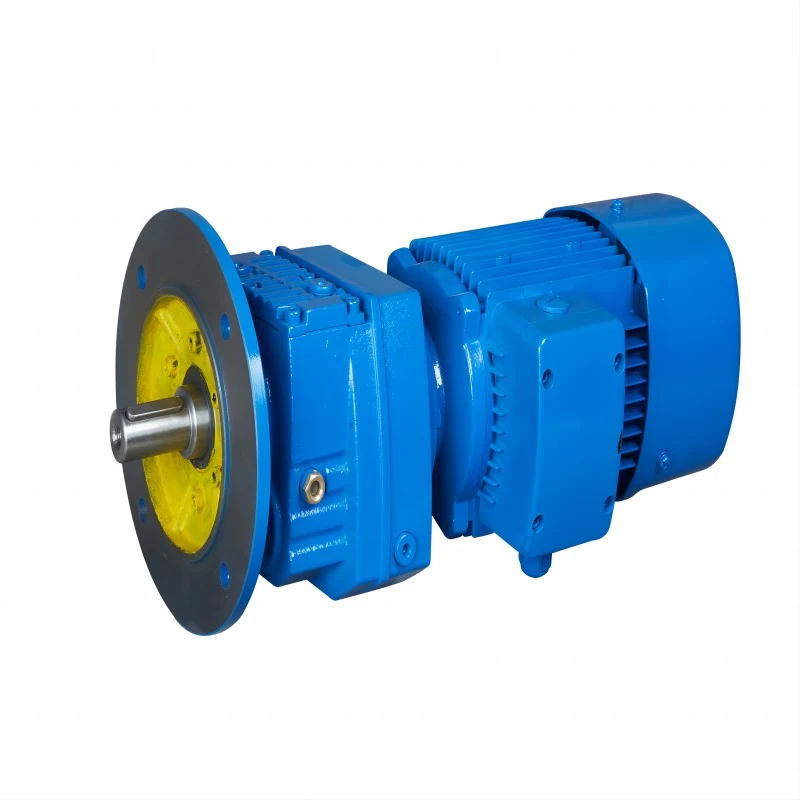
Four helical families — R, S, K and F — separated by drive layout: inline, right-angle and parallel-shaft. Pick the layout first, then confirm it against the machine.
- inline, right-angle and parallel-shaft
- mounting form, shaft arrangement
- available clearance, operating context
New machine or no nameplate? Contact us.
HaoRan Transmission organises its helical gear-unit range by the way the drive sits in the machine. The R, S, K and F families represent different inline, right-angle and parallel-shaft conversations. Buyers can use the family pages to begin with a layout, then add the mounting and application evidence needed to determine whether that route fits the actual equipment.
Hoist Gearbox Leaking: Safety First, Then Find the Cause
Choose a layout before a model string
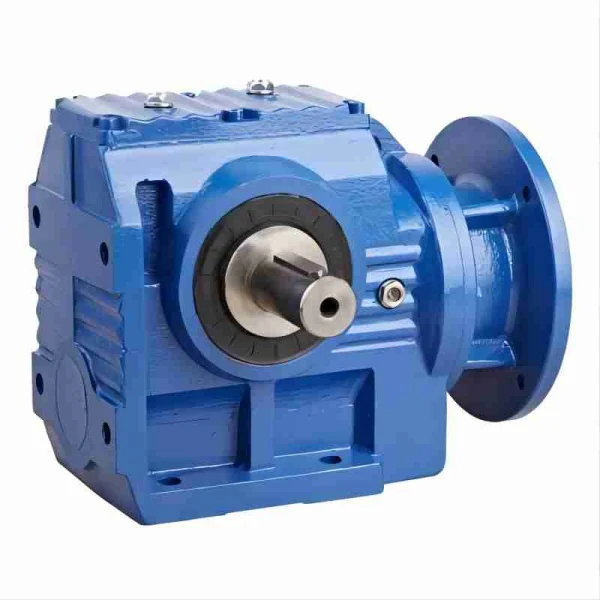
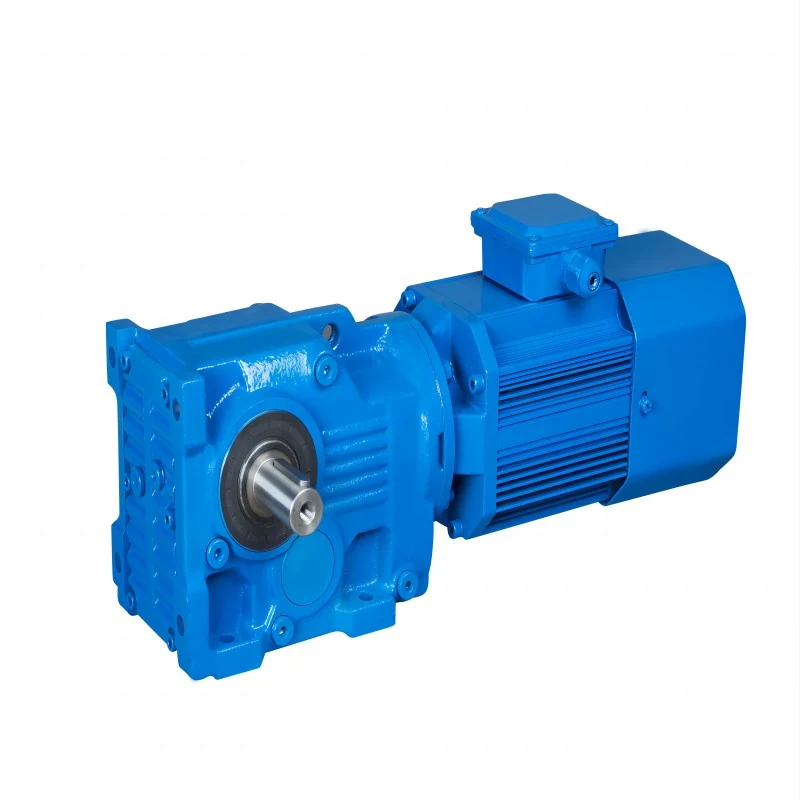
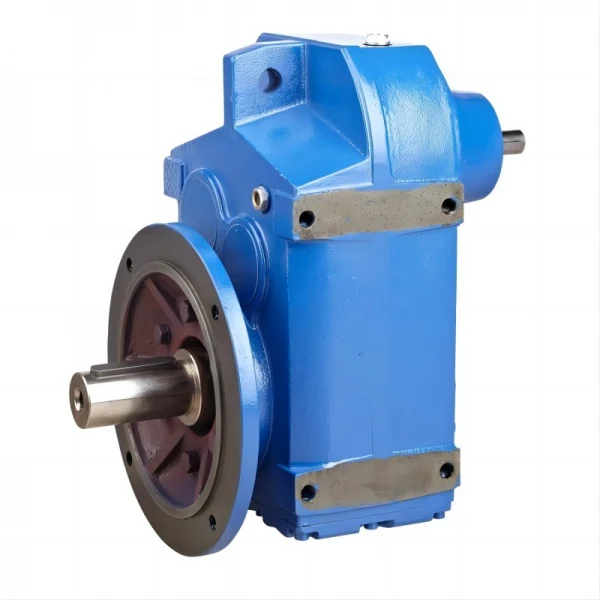
R Series supports an inline arrangement. S Series provides a helical-worm right-angle route. K Series provides a helical-bevel right-angle route. F Series supports a parallel-shaft arrangement. The product-family question remains connected to the machine interface: mounting form, shaft arrangement, available clearance, operating context and any motor package requirement.
Review gearbox applications by driven equipment alongside the layout options before defining the mounting and duty requirements.
Choose a shaft layout
Technical information and selection details
Catalogue data with a verification boundary
Catalogue data with a verification boundary
The R, S, K and F series pages publish only catalogue rows that have passed the project’s line-by-line verification rule. A page-level family description cannot be used to infer an unlisted value or to prove an installed interface. For replacement work, the nameplate and machine evidence still determine what needs confirmation before quotation.
Coordinated drive and order planning
Coordinated drive and order planning
Where a motor is required, the gearbox and motor can be discussed as one assembly. The application, motor interface, mounting context, OEM identification and commercial handoff can then stay with one supplier. MOQ, lead time, packing, warranty expectations, payment terms and destination routing are confirmed for the actual order, including rail or land transport planning where relevant.
Full technical data sheet available on request
Send the evidence that closes the gap
Send the evidence that closes the gap
Send your nameplate with installation photos, driven-equipment name and available mounting space. HaoRan Transmission will identify the relevant family and the exact evidence still required for a machine-level review.
Installation layout is a purchasing decision
Installation layout is a purchasing decision
An inline arrangement can place the motor and output on the same transmission axis, while a right-angle or parallel-shaft arrangement changes the way the assembly sits beside the machine frame. That difference affects more than the initial footprint. It can affect access to the motor, route of the driven shaft, guard clearance, oil-service access and the way a replacement is lifted into place. A buyer should make these observations part of the inquiry before the commercial discussion becomes specific.
The family pages help identify the layout conversation, but they should be read alongside the machine drawing or installation photographs. The catalogue-backed R, S, K and F rows are useful only in their stated scope. They are not a source for inventing a missing value, combining values from different rows or declaring an installed unit interchangeable without a mounting review.
Work across engineering and purchasing
Work across engineering and purchasing
Engineering teams can supply the layout, machine duty and interface evidence. Purchasing teams can supply the delivery destination, requested documentation and OEM identification needs. Keeping these inputs together lets HaoRan Transmission return a response that tells the buyer what is ready for quotation and what still needs confirmation. It also gives the customer one record to share internally instead of a sequence of disconnected questions between the gearbox supplier, motor supplier and machine owner.
For an export order, the packing and transport discussion should follow the confirmed assembly route. The selected arrangement, motor inclusion, lifting or handling constraints and destination documentation all shape the practical handoff. This is why the inquiry should identify the machine rather than only ask for a familiar family name.
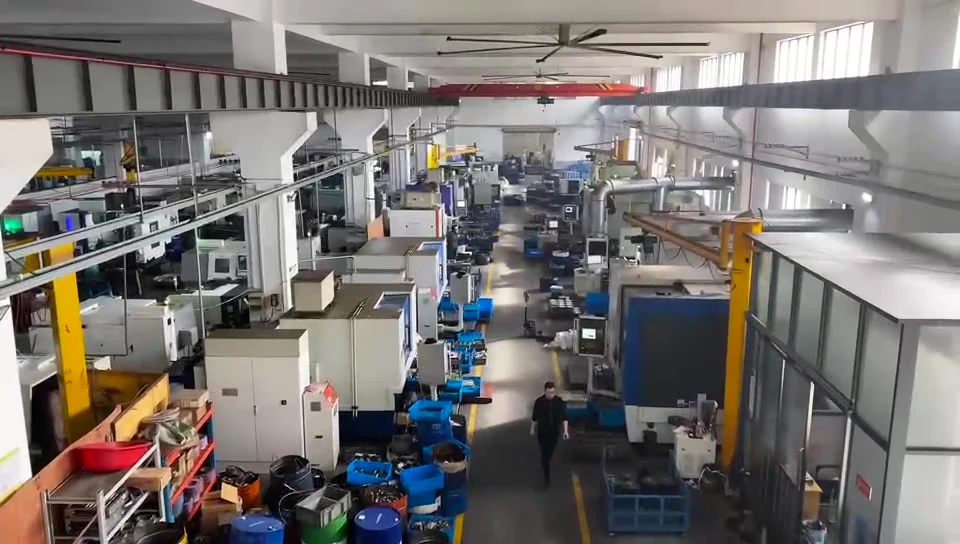
Inside the workshop
A view of the workshop. Product configuration is reviewed against your machine and application.
READY FOR A TECHNICAL REVIEW?
Send your nameplate, get a mounting review within one business day.
Or message us directly