
Industrial gearboxes are never completely silent, but a new or changing sound deserves attention. A whine, rumble, knock, scrape, or repeated impact can be the first visible signal of a lubrication problem, bearing distress, gear damage, misalignment, loose mounting, or a driven-machine fault. The most useful question is not simply whether the gearbox is loud. It is whether the sound is new, whether it changes with load or speed, and whether it appears with heat, vibration, oil leakage, or reduced machine performance.
This guide gives maintenance engineers and equipment supervisors a structured first assessment. It does not authorize live contact with rotating equipment or internal gearbox disassembly. Site isolation rules and the original equipment instructions remain the governing safety requirements.
Describe the noise before trying to fix it
Record when the sound occurs: at startup, during loaded operation, while coasting, only after the gearbox is warm, or continuously. Note whether the pitch changes with motor speed, output speed, load, direction, or process cycle. A short phone recording taken from a safe location can help compare the condition after maintenance, but it should never require entering a guarded area or bypassing a safety device.
Also record what changed before the noise began. A motor replacement, coupling work, bearing change, lubricant change, overload, jam, relocation, or altered production schedule may be more relevant than the sound itself. Many apparent gearbox failures originate in the driven machine or its installation.
Likely causes to investigate first
Misalignment or coupling-related loading
Misalignment between motor, gearbox, and driven equipment is a frequent source of noise and vibration. A coupling can transmit excessive radial, axial, or bending load into the gearbox input or output shaft. Worn coupling elements, loose guards, incorrect belt tension, or an out-of-balance driven component can create a sound that seems internal to the reducer. Check mounting integrity and alignment history before opening the gearbox.
Lubrication condition or lubricant contamination
Low lubricant level, incorrect lubricant, degraded oil, foaming, water ingress, or abrasive contamination can prevent gears and bearings from operating with the required oil film. A high-pitched whine may accompany poor gear lubrication; a rough rumble may accompany bearing distress. The sound alone cannot identify the cause, so inspect lubricant condition and the evidence around breathers, seals, and drain points using the correct service procedure.
Bearing wear or damage
Damaged bearings often produce a rumbling, growling, or cyclic sound that may increase with speed or load. The root cause can be fatigue, contamination, inadequate lubrication, overload, corrosion, or misalignment. Bearing damage can progress until a shaft loses support and affects gears, seals, and couplings. If noise is accompanied by heat, vibration, metal debris, or a change in shaft movement, treat it as an urgent condition.
Gear tooth wear, damage, or incorrect contact
Repeated overload, shock loading, contamination, poor lubrication, assembly errors, or shaft deflection can damage tooth surfaces. Gear noise can be steady, pulsating, or knocking depending on the defect and operating condition. A damaged tooth may create impact with every engagement. Do not assume the gearset is at fault from a sound recording alone; external alignment and driven-load issues can create similar symptoms.
Loose foundation, fasteners, or housing components
A gearbox can sound abnormal when its base, torque arm, cover, guard, or connected equipment is loose. A loose mounting changes alignment under load and may create a knock at starts, stops, or process load changes. Inspect mounting fasteners, support structure, guards, and torque-reaction components only after safe isolation. Look for movement marks, damaged shims, cracked brackets, and evidence of repeated contact.
Process overload or a fault in the driven machine
Material blockage, product buildup, seized rollers, a damaged conveyor, a pump problem, or another process fault can send shock load back through the gearbox. If the sound only occurs with product or under a particular process condition, the driven equipment needs equal attention. Replacing the gearbox without removing the overload source can result in the same failure again.
A safe diagnostic sequence
If the noise is sudden, severe, accompanied by vibration, heat, smoke, oil loss, guard contact, reduced output, or a risk of uncontrolled movement, stop the equipment according to the site procedure and obtain qualified support. Do not wait for a planned maintenance window when a failure could affect people, a suspended load, a conveyor, or a hazardous process.
For a controlled assessment, isolate and lock out the machine before touching guards, mounts, or shafts. Confirm the lockout before inspection. Inspect visible external components first: guards, bolts, foundations, couplings, belts, chains, breather condition, oil leakage, and signs of rubbing. Verify whether the gearbox mounting orientation and connected equipment match the documented installation.
If the site permits a guarded operational observation, stand clear and use approved condition-monitoring methods. Do not touch the gearbox, coupling, shaft, or guard while it runs. Compare unloaded and loaded behaviour only if the operating procedure allows it. Combine the observation with lubricant checks and vibration or temperature monitoring by trained personnel.
Repair choices and the point where replacement is better
External causes such as a loose support, worn coupling element, unsuitable belt tension, or contaminated breather may be correctable without replacing the gearbox, provided a competent inspection confirms that internal damage has not occurred. Lubrication service must use the correct specification and clean working practices.
Internal bearing or gear damage, a cracked housing, damaged shaft seats, repeated noise after corrective alignment, or evidence of overload may justify replacement or an authorized rebuild. The decision should include the actual duty, mounting, shaft dimensions, surrounding environment, and cause of the prior failure. A nameplate-compatible unit is not automatically an application-compatible unit.
Never dismantle a gearbox in an uncontrolled area merely to locate a sound. Stop and involve professional service when internal damage is suspected, when the unit is part of lifting or personnel-risk equipment, when hazardous material is present, or when the correct reassembly and cleanliness controls are unavailable.
For the family review, consult NMRV worm gearbox series and vertical cycloidal reducer series. Confirm the installed model and application before selecting a replacement.
Get a replacement check with the nameplate
Photograph the nameplate, the complete installation, coupling or drive arrangement, and any visible damage. Include a safe recording of the noise, the operating condition in which it occurs, and any recent maintenance or process change. Send your nameplate to HaoRan Transmission and we will help confirm the model and assess whether the replacement discussion also needs to address the application cause.
Continue to a family review
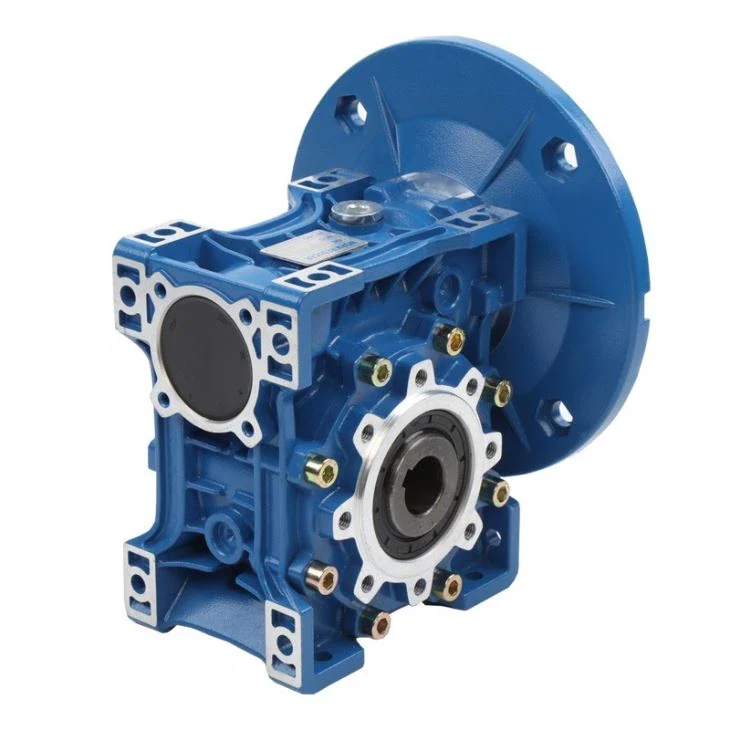
NMRV series
If the existing drive has overheated, leaked, vibrated or failed under a changed duty, describe that context as well.
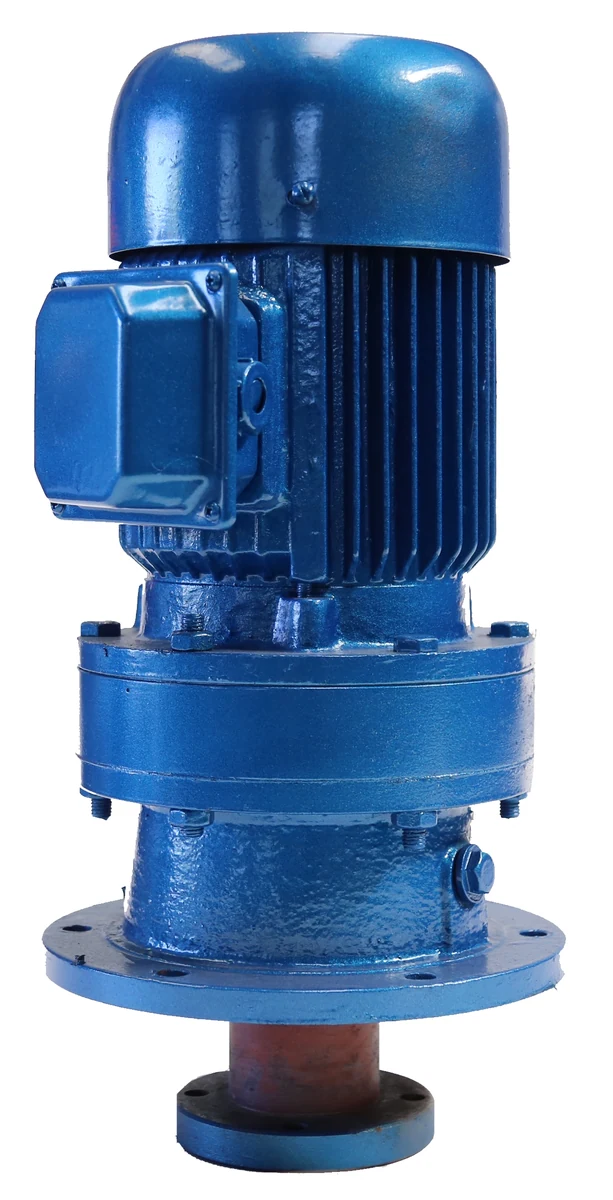
Vertical cycloidal reducers
If the existing unit has a history of leakage, vibration, noise or difficult maintenance, add that information to the inquiry record.
READY FOR A TECHNICAL REVIEW?
Send your nameplate, get a mounting review within one business day.
Or message us directly