
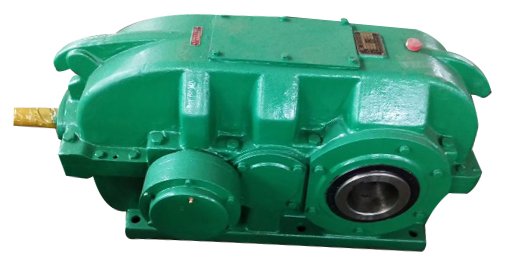
DCYK conical cylindrical gear reducers
A dedicated DCYK page, so a hardened cylindrical unit is reviewed on its own terms. An old designation is evidence, not a specification.
- driven machine, installed arrangement
- shaft connection, mounting surfaces
- operating context
QY, QJY, JZQ or DCYK: compare the available evidence
Blank cells mean that the source does not establish that property. Family names do not confirm machine fit.
| Review point | QY | QJY | JZQ | DCYK |
|---|---|---|---|---|
| Published family wording | QY Series Gear ReducerSource: existing product guidance — title | QJY Hardened Gear ReducerSource: existing product guidance — title | JZQSource: existing product guidance — url | DCYK Conical Cylindrical Gear ReducerSource: existing product guidance — title |
| Published gear description | hardenedSource: existing product guidance — title | conical cylindricalSource: existing product guidance — title | ||
| Confirmed mounting form |
The DCYK route is kept as a separate industrial gear reducer family page so a buyer can prepare a focused inquiry without treating every hardened or cylindrical gearbox as interchangeable. Begin with the driven machine, installed arrangement, shaft connection, mounting surfaces and operating context. An old product designation can be useful evidence, but it does not establish the complete machine interface.
Evidence before quotation
Send the installed nameplate where available, photographs of the gearbox and complete machine connection, the driven-equipment name and available mounting space. If the inquiry follows a failure or equipment change, explain the condition so the review can separate a mounting question from an unresolved application issue.
Coordinated commercial path
MOQ, lead time, packing, warranty expectations, payment terms, OEM identification and destination routing are confirmed for the actual project. A motor package can be discussed with the gearbox when the equipment requires a coordinated drive assembly.
Full technical data sheet available on request
Use Send your nameplate to start the family review and receive the next evidence requirement.
Map the installation before comparing a designation
The DCYK discussion should identify the machine support, input and output connections, gearbox position, surrounding clearance and access route for future inspection. An old nameplate may point to the family that should be reviewed, but it cannot show whether a shaft centre, mounting plane or housing position aligns with the actual equipment. A drawing is helpful, but photographs from several sides can also show the features that require confirmation.
Put the operating story in the inquiry
Describe the driven equipment and the reason the buyer is considering a new drive. If a conveyor, mill, mixer, handling system or other machine has changed its use, maintenance routine or surrounding process, that history belongs in the review. It gives the response a way to distinguish a straightforward interface question from a condition that could repeat after the purchase.
Coordinate documentation and export details
The technical record should continue into the commercial stage. State the destination, packing request, requested documentation, OEM identification and any motor requirement with the application evidence. The order discussion can then define lead time, payment, warranty expectations and transport routing for the complete assembly rather than an isolated product line. Where rail or land transport is preferred, the documentation and packing conversation remains tied to the destination and machine project.
A clear next step
Submit the available nameplate, installation images and machine description through the inquiry route. HaoRan Transmission will return either a relevant family-and-interface direction or a named list of drawings, photographs or measurements required before quotation. That response creates a practical checklist for both engineering and purchasing teams without overstating an unverified technical value.
The buyer can then review the checklist internally before approving the next quotation-stage action.
Where information comes from several people, identify who observed the installation and who can supply any missing drawing. This gives the next response a clear route to resolve the gap instead of circulating an unassigned request.
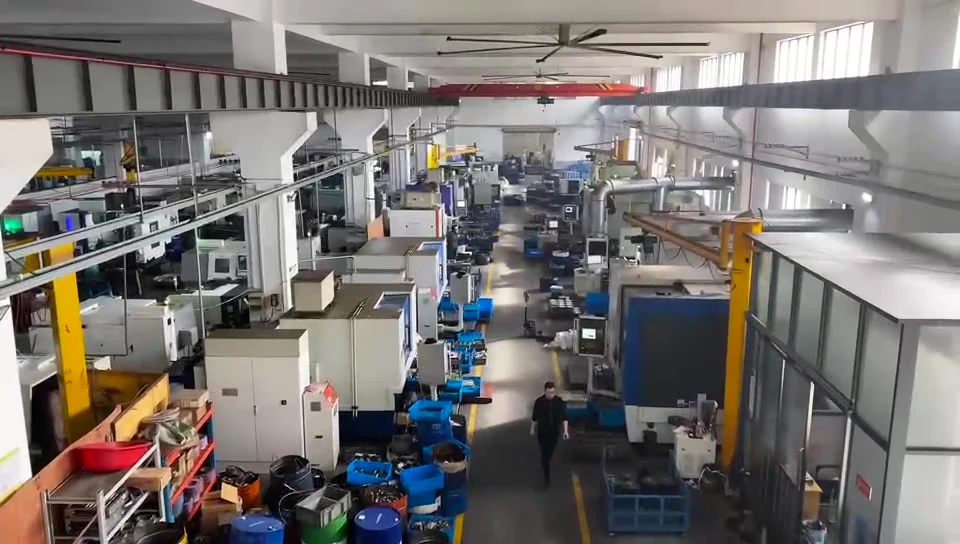
Inside the workshop
A view of the workshop. Product configuration is reviewed against your machine and application.
READY FOR A TECHNICAL REVIEW?
Send your nameplate, get a mounting review within one business day.
Or message us directly