
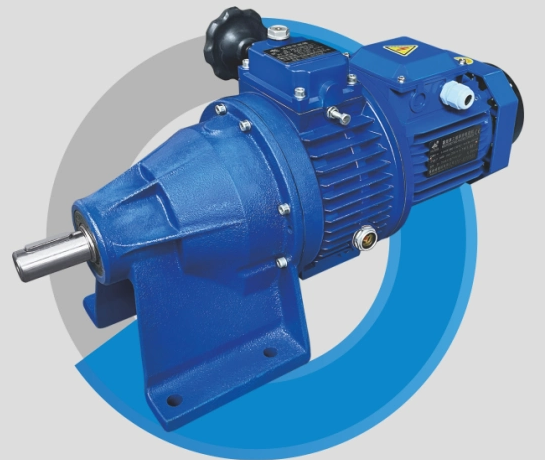
Variable speed drives · process and installation
Variable speed drives are included in HaoRan Transmission's confirmed product scope for buyers who need to discuss how a machine's process and drive arrangement work together.
- the driven equipment, the operating pattern
- the installation arrangement
- the relationship between the drive, motor, and machine
Catalogue form references
JWB-X horizontal continuously variable transmission
Source: HaoRan catalogue 2026, e-page 19
Other products on the same catalogue page
GV and GH are labelled gear machines. They are separate products, not identified as continuously variable transmissions.
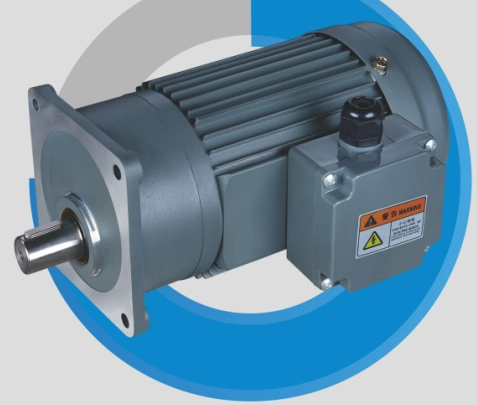
GV Gear machine
Source: HaoRan catalogue 2026, e-page 19
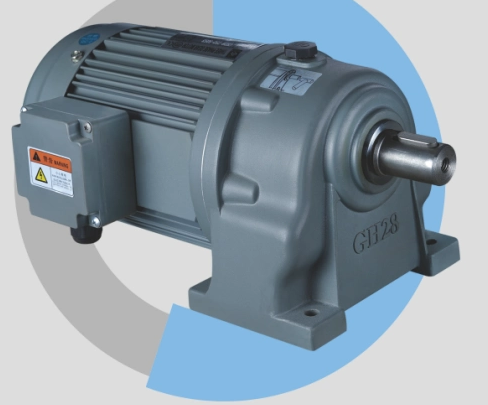
GH gear machine
Source: HaoRan catalogue 2026, e-page 19
Variable speed drives are included in HaoRan Transmission’s confirmed product scope for buyers who need to discuss how a machine’s process and drive arrangement work together. A variable-speed-drive enquiry is not simply a request for a familiar catalogue name. It begins with the driven equipment, the operating pattern, the installation arrangement, and the relationship between the drive, motor, and machine.
Mechanical variable speed gearbox or inverter control?
A mechanical variable speed gearbox (variator) changes output speed through an adjustable transmission. A frequency inverter changes the electrical supply to the motor so that motor speed can be controlled. These are different ways to address a process requirement; neither can be selected from the required speed alone.
For a machine that needs an operator to make occasional speed adjustments, a mechanical variator is a route to assess. If the process calls for programmed speed changes, remote commands or coordination with other equipment, include an inverter-based motor drive in the comparison. Confirm the actual adjustment method, controls and motor compatibility before choosing either arrangement.
Compare the required speed range, load at each operating condition, adjustment frequency, installation space and service access. For an electrical solution, also identify the available supply, motor data and machine-control requirements. For a mechanical solution, establish how the variator connects to the motor, reducer and driven shaft. The appropriate route follows from these conditions, not a general claim that one technology is cheaper, more efficient or maintenance-free.
The JWB-X horizontal continuously variable transmission shown on this page is reviewed against its technical document for adjustment range, control options and motor match during selection.
Application-led selection
Conveying, mixing, packaging, processing, and agricultural equipment can each place different demands on a variable-speed drive. A conveyor may need a practical way to match material flow with the rest of the line. A mixer may need its drive arrangement considered together with the vessel and shaft. Packaging equipment may have a compact layout and repeated operating changes. The correct discussion is therefore about the application and the complete interface, rather than an assumed replacement based on a product label.
Describe the adjustment the process needs
For conveying and packaging equipment, explain whether speed changes are occasional operator adjustments or part of the operating sequence, and how the machine interacts with upstream and downstream equipment. For mixers, describe the material condition at startup and during processing, alongside the vessel and shaft arrangement. For processing or agricultural equipment, identify the operating pattern and any changes in material feed or load.
These are application questions rather than a statement that a particular variator is suitable for every machine in those industries. The review should establish the required drive behaviour before confirming a configuration.
Integration with the drive assembly
Where a variable-speed drive forms part of a wider drive assembly, provide details of the connected motor, gearbox, driven machine, and mounting. HaoRan Transmission can review the assembly as a coordinated supply requirement. This reduces the risk of purchasing parts separately and discovering an interface issue only during installation.
Information for a useful selection review
Keep the following information together with the enquiry:
- The driven machine, reason for speed adjustment and current drive arrangement.
- Required minimum, normal and maximum output speeds; identify which values are measured, calculated or still unknown.
- Available running and startup load information, operating hours, starts and adjustment frequency, and any recurring overload or jam history.
- Motor nameplate data and any existing inverter or control arrangement.
- Installation photographs or drawings showing mounting, shaft connections, the motor and reducer, available space and maintenance access.
- Ambient conditions and exposure to dust, water or cleaning chemicals.
- For replacements, the existing unit’s nameplate and the reason for replacement, including changes in the machine or process.
These figures describe your application. The permitted operating range, motor match, interfaces and maintenance requirements are then confirmed against HaoRan technical documents for the specific unit.
Fault reporting and maintenance planning
If an installed drive develops unstable output speed, unusual noise, excess heat, vibration or visible leakage, record the symptom and when it occurs. Note the speed setting, whether the machine is starting or already running, the material being processed and any recent change in load or maintenance. Include the drive identification and photographs of the complete installation. A symptom on its own does not establish which component has failed.
Plan service access to the variator, motor and reducer as one assembly. Keep the unit’s operating instructions and maintenance history with the machine record. Lubricant specification, inspection intervals, adjustment procedures and replacement parts must come from the manual for the identified unit; generic gearbox guidance is not a substitute for variator instructions. Internal inspection or corrective work should follow the machine’s isolation procedure and the applicable manufacturer instructions.
Full technical data sheet available on request
Procurement, installation and application context
Variable-speed-drive procurement begins with the process purpose of adjustment: material flow, mixing behaviour, packaging coordination or another equipment need. The inquiry should show how the variator connects to the motor, reducer and machine, including the installation layout. This lets HaoRan Transmission plan a coordinated supply and agree export documentation and packing around the drive assembly instead of treating a speed-control component as a standalone commodity.
Where a line is being renewed, the existing drive arrangement and the reason for adjustment should both be retained in the enquiry record. This gives engineering and purchasing teams a shared view of the connection points and operating purpose. It also prevents a variator from being selected simply because its name resembles an older component while the machine integration has changed.
FAQ
What should be supplied for a variable-speed-drive enquiry?
Describe the machine process, the adjustment purpose, installation arrangement and any existing drive identification. Drive solutions should be compared by transmission need, machine layout and operating condition. This lets HaoRan Transmission distinguish a speed-control requirement from a standard reducer replacement and consider how the variator connects with the complete drive.
Can a variable-speed drive be selected with a motor and reducer?
The drive should be discussed as an assembly when its motor, reducer and process equipment must work together. The same reducer family can serve very different equipment, from production lines to construction machinery. Reviewing interfaces together reduces the risk of reconciling separate supplier assumptions about mounting, shafts and operating sequence.
How are export packing and delivery discussed?
Packing, documentation and delivery routing are confirmed during the commercial review. For projects using Central Asian rail routes, the shipment plan reflects the combined drive assembly and the paperwork expected at handover rather than treating the variator as an isolated loose part.
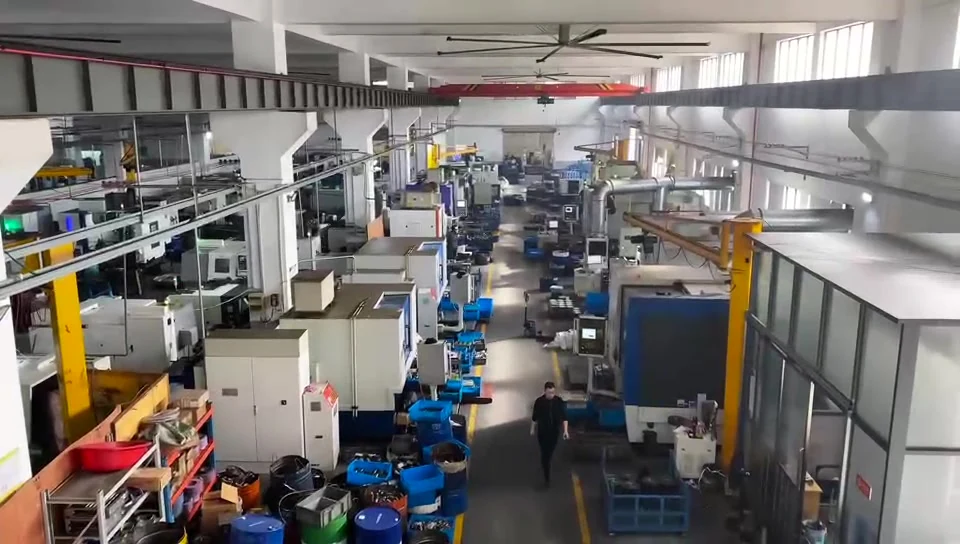
Inside the workshop
A view of the workshop. Product configuration is reviewed against your machine and application.
READY FOR A TECHNICAL REVIEW?
Send your nameplate, get a mounting review within one business day.
Or message us directly