

JZQ · installed machine evidence first
The JZQ family page provides a route for buyers who need to discuss an installed JZQ designation or a new industrial-drive requirement.
- mounting arrangement, shaft interface
- operating context and available space
- the base or mounting surface, input side, driven-shaft connection
Catalogue form references

JZQ
operating context and available space
Source: HaoRan catalogue 2026, e-page 18
The JZQ family page provides a route for buyers who need to discuss an installed JZQ designation or a new industrial-drive requirement. The useful discussion begins with the machine, mounting arrangement, shaft interface, operating context and available space. A designation alone may suggest a family, but it cannot confirm whether the proposed unit fits the equipment.
Replacement evidence matters
Provide the nameplate, installation photographs, driven-equipment name and a view of the mounting area. If the existing unit has a recurring problem, describe the operating condition and any change at the machine. That information helps the technical review identify the next drawing, measurement or application detail needed before quotation.
Supply coordination
Where a motor, OEM identification or export packing is required, the commercial and technical conversation can keep those requirements with the actual drive assembly. MOQ, lead time, warranty expectations, payment terms and destination routing are confirmed for the requested order rather than assumed from a legacy product label.
Full technical data sheet available on request
Send your nameplate to begin the evidence-led JZQ family review.
Establish the physical handoff points
For a JZQ inquiry, show the base or mounting surface, input side, driven-shaft connection, nearby motor position and clearance around the housing. These details identify the physical handoff points between the reducer and the machine. They are needed whether the buyer is replacing an installed unit or designing a new assembly, because the designation by itself cannot establish how the drive meets the frame and output equipment.
Explain the machine’s practical conditions
The application note should name the equipment, describe the surrounding environment and identify any maintenance or access constraints. If the inquiry follows a recurring problem, include the visible symptom and the circumstances in which it appears. That history helps avoid a purely catalogued response when the real question may concern installation, contamination, lubrication or a change in the driven process.
Commercial questions belong after the route is clear
Once the technical conversation identifies the family evidence needed, purchasing can add OEM identification, packing approach, warranty expectations, payment requirements and destination routing. MOQ and lead time are confirmed for the requested order, not copied from a generic page. Keeping these elements together gives distributors and equipment builders a record that can pass from end user to technical review and export handoff without losing the machine context.
Continue from the evidence
Use the nameplate form to send the available material. The response will say what can be reviewed from the submission and what drawing, photograph or measurement is still required. The process supports an accountable quotation path without turning a familiar JZQ name into a dimensional promise.
This keeps the selection record clear for the machine owner, distributor and purchasing team.
Before a site shutdown or planned installation, confirm who holds the latest photographs and whether the equipment view still represents the intended arrangement. A current record prevents an old image from being treated as the final mounting evidence.
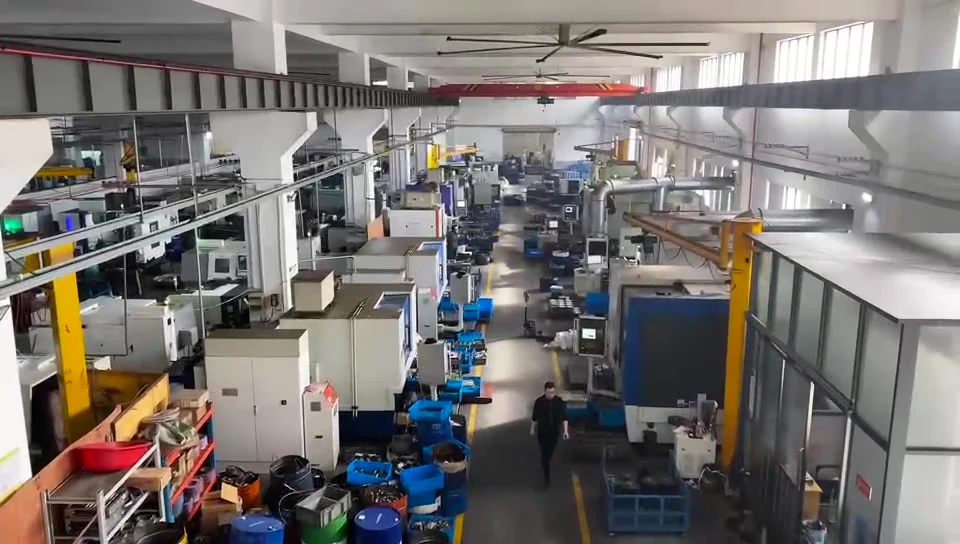
Inside the workshop
A view of the workshop. Product configuration is reviewed against your machine and application.
READY FOR A TECHNICAL REVIEW?
Send your nameplate, get a mounting review within one business day.
Or message us directly