
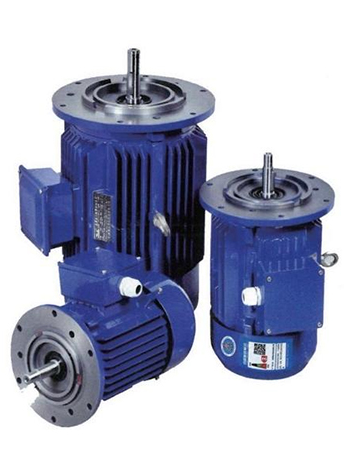
YVF2 · controlled process requirements
YVF2 motors are included for applications that require a variable-frequency motor as part of a reducer assembly.
- a variable-frequency motor as part of a reducer assembly
- the application, control context, mounting arrangement
- how the machine starts, varies its process demand, and is controlled
Catalogue form references
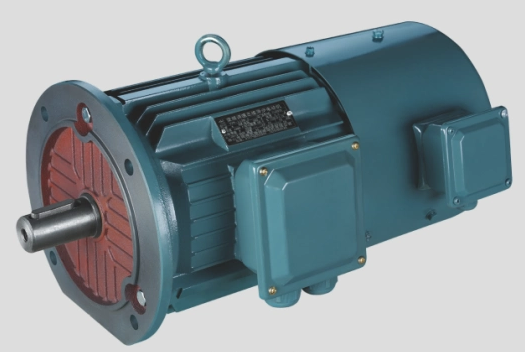
Variable frequency motor
Catalogue form reference. The image is not identified by a YE, Y2 or YVF2 series label.
Source: HaoRan catalogue 2026, e-page 17
YVF2 motors are included for applications that require a variable-frequency motor as part of a reducer assembly. The page addresses the motor-and-gearbox combination, which is more useful to industrial buyers than treating the motor as an unrelated commodity.
Buyers write this as variable frequency motors as often as variable-frequency. The hyphen makes no difference to the review; the control method and the way the motor sits against the reducer do.
Supply the whole drive requirement
Provide the application, control context, mounting arrangement, and photos of any installed unit. HaoRan Transmission can review the motor and reducer as a coordinated package.
OEM identification support
If the project requires an OEM nameplate, provide the approved artwork and application information with the inquiry for review.
The verified motor size reference is shared on the electric-motors parent page. It is a dimensional reference only; the installed drive still needs a machine-level interface review.
Variable-frequency application context
A variable-frequency motor is considered where the driven process uses frequency control. The conversation should include how the machine starts, varies its process demand, and is controlled, because those facts affect the complete motor-and-reducer arrangement. It should not be treated as a generic motor substitution based only on a familiar model label.
Procurement, installation and application context
YVF2 enquiries need the process-control story as well as the motor interface. Explain what changes during operation, how the equipment starts and stops, and how the motor joins the reducer and driven machine. This creates a useful basis for discussing a controlled-speed assembly, OEM marking and export packing without assuming that a familiar motor label is a complete replacement specification.
The control context also affects maintenance communication. A buyer replacing a motor on a line should identify the existing control equipment and any process changes that occur during normal operation. That is more useful than treating speed adjustment as a checkbox, because the reducer and driven machine experience the consequences of how the system is operated in service.
FAQ
How is a variable-frequency motor different from a fixed-frequency motor?
A variable-frequency application is selected around a drive system that adjusts operation through its control equipment. A drive choice should not be a label-only substitution: the reducer, the driven machine and the control context need to be considered together. A fixed-frequency discussion starts from a steadier operating condition and may raise different integration questions.
Which applications benefit from a variable-frequency drive discussion?
Processes that need controlled start-up, adjustment or coordination with other equipment should be reviewed as complete systems. Conveying, mixing, production-line and process duties have different load behaviour and installation contexts. The application description therefore matters more than repeating the same motor wording for every use case.
Can you support replacement of an installed controlled-speed drive?
A nameplate image, the driven equipment description and the existing gearbox interface help establish the replacement conversation. The factory maintenance material recommends addressing abnormal operation before it becomes a larger fault; documenting the original control arrangement helps the motor-and-reducer package be assessed against the real operating context.
YE, Y2 and YVF2: catalogue comparison
Blank cells mean the catalogue does not identify the property for that series. They do not mean the motor lacks that capability. Review the existing family guidance and confirm the selected motor for your machine.
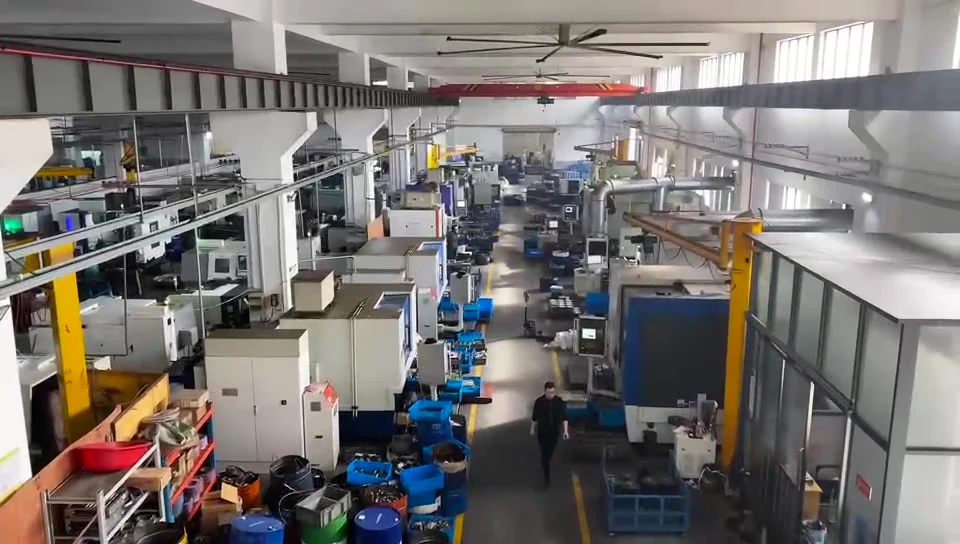
Inside the workshop
A view of the workshop. Product configuration is reviewed against your machine and application.
READY FOR A TECHNICAL REVIEW?
Send your nameplate, get a mounting review within one business day.
Or message us directly